
T-Mobile Says Its Network, T-Satellite, and Response Teams Are Ready for Storm Season
T-Mobile is putting a big spotlight on the work it is doing to keep customers connected when severe weather and other emergencies hit. The carrier says it is continuing to strengthen its network with smarter automation, more backup equipment, satellite-based messaging, and expanded support for both communities and first responders. The message here is simple: when things go wrong, T-Mobile wants its network to keep showing up.
T-Mobile announced that a big part of that effort comes from its AI-powered Self-Organizing Network, which can automatically make adjustments in real time when towers or other equipment are under pressure.
During Winter Storm Fern, T-Mobile says this system made tens of thousands of automated changes, helped keep network sites running for more than 250,000 additional minutes, and got 68% of affected customers reconnected within the first hour and 98% within eight hours.
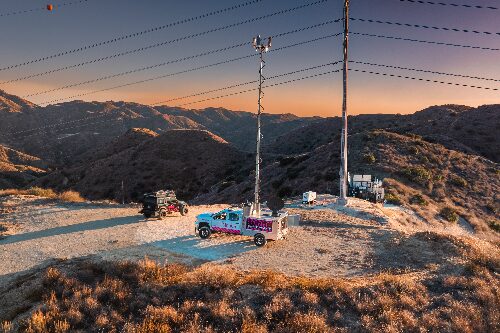
T-Mobile is also continuing to build out the boots-on-the-ground side of its emergency response strategy. The company says it has a large fleet of deployable gear ready to restore coverage and support service, including SatCOLTs, SatCOWs, Cell on Wheels units, generators, satellite antennas, and drones.
It is also adding smaller rapid-deploy units for tighter or harder-to-reach areas, hybrid generators that can stretch uptime by up to 50%, and sleep units that let crews stay on site longer when communities need support most.
For T-Mobile customers, one of the most interesting parts of the update is T-Satellite. The carrier says its satellite service supported more than 250,000 users and over 1.5 million messages during Winter Storm Fern, giving people another way to reach loved ones and stay informed when regular cellular coverage was unavailable.
T-Mobile also says the service delivered more than 100 Wireless Emergency Alerts during that storm and is now expanding internationally, starting with Canada and New Zealand, for compatible devices when cellular service is not available.
The company also used the announcement to remind everyone that this is not just about technology for technology’s sake. T-Mobile says it supported more than 60 disaster events across the country in 2025, deployed thousands of assets, and helped people stay connected to essentials like emergency services, hospitals, utilities, grocery stores, pharmacies, transportation, and lodging.
It also says its teams distributed more than 17,000 power packs and deployed 34 community support teams with trucks and trailers to bring Wi‑Fi, charging, and other resources to impacted areas.
T-Mobile is also continuing to push T-Priority, its connectivity solution for first responders and qualifying public safety organizations. The company says this service is built on its 5G Advanced platform and uses network slicing to help give emergency workers clearer, more dependable connections during times of congestion. It also says real-time telemetry on generators helps teams see fuel levels and site conditions remotely, which can speed up response and help keep critical sites running longer.
For T-Mobile fans, this latest update reads like another example of the carrier trying to show how its network advantage is meant to matter in real-life moments, not just in ads or speed tests. From AI-based network adjustments to satellite messaging and mobile support units, T-Mobile is making the case that being prepared before disaster strikes can make a real difference once it does.