
FCC Rule Change Could Make T-Mobile’s Future Home Internet Gear Harder to Get
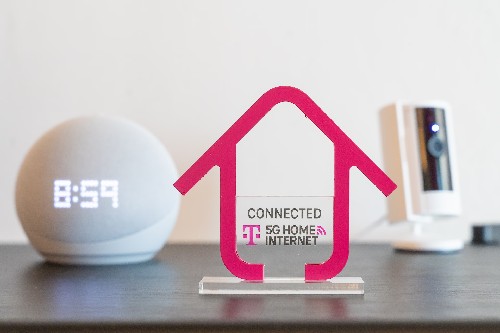
The FCC has expanded a ban that now reaches beyond traditional home Wi-Fi routers and into two device categories that matter to T-Mobile customers: portable hotspots and the cellular gateway boxes used for home internet service. That does not mean current T-Mobile Home Internet users are suddenly losing service, but it does raise questions about what future hardware could cost and how easy it will be for carriers to roll out new models.
According to PhoneArena, the FCC updated its FAQ so the restriction now includes “consumer-grade portable or mobile MiFi Wi-Fi or hotspot devices for residential use” as well as “LTE/5G CPE devices for residential use.” In simpler terms, that covers the travel hotspot you might toss in a bag and the box that sits in your home and turns a cellular signal into Wi-Fi.
For T-Mobile customers, the bigger issue is the home internet side. T-Mobile’s Home Internet service depends on LTE and 5G gateway hardware, which falls directly into the category the FCC just added. T-Mobile said its already approved routers are not affected, and current customers do not need to do anything. The company also said it will continue working with the FCC and its vendors so future routers meet the updated requirements.
That means this is more about what comes next than what is happening right now. If T-Mobile or its hardware partners have fewer approved suppliers to choose from, future hotspot and home internet devices could become more expensive, show up later than expected, or lose some of the lower-cost options shoppers usually count on. T-Mobile recently launched its Wi-Fi 7 G5AR gateway, so any pressure from the new rule would likely be felt more on later generations than on hardware already in circulation.
There are still some limits to how far this goes. Smartphones with hotspot features are not part of the ban, so using your phone to share data is still fine. Devices that already received FCC approval are also unaffected, and enterprise-grade gear is excluded. The FCC has granted temporary approvals in some cases, including for certain Netgear products through October 2027, which leaves open the possibility that some affected devices could still get a path forward.
The short version is that there is no immediate crisis for T-Mobile Home Internet subscribers, but this is still worth watching. If the pool of approved hardware gets smaller, everyday buyers could end up paying more or waiting longer for the next wave of devices. For a service that has attracted people looking to cut cable costs, that is the part that could matter most.
Source: PhoneArena