
T-Mobile Uses Advanced Technology to Maintain Network During Hurricanes
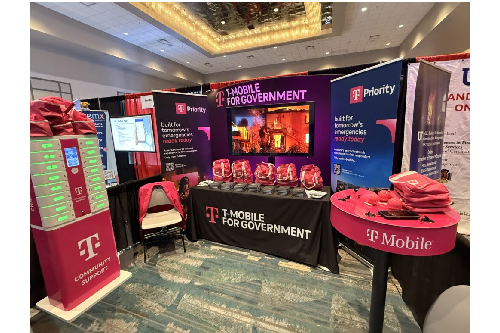
T-Mobile has implemented multiple technological systems to maintain network connectivity during hurricanes and other emergency situations. The carrier presented its emergency response capabilities at the National Hurricane Conference in Orlando, where its team met with thousands of public and private-sector partners working on hurricane preparedness, response, and recovery.
Over the past two months, T-Mobile supported customers during several major weather events, including the Kona Storm in Hawaii, severe conditions across the Midwest and central US, and a winter storm on the East Coast. Each situation required operational approaches centered on maintaining network resilience, deploying resources, coordinating in real time, and restoring service as quickly as possible.
T-Mobile employs Self-Organizing Network (SON) technology as a primary tool during these events. SON continuously monitors network conditions and automatically adjusts performance in real time by modifying antenna positioning, rerouting traffic, and extending backup power when needed. This automated approach allows the network to adapt without requiring manual intervention during critical periods.
The carrier also uses AI-driven tools such as Dataminr to track developing threats, weather patterns, and other relevant public data as events unfold. This allows T-Mobile to anticipate network demands and prepare resources in advance of severe weather impacts.
T-Satellite, a satellite-to-mobile service developed in partnership with Starlink, provides additional connectivity options. The service allows almost all smartphones to connect automatically when traditional cell towers become unavailable due to damage or power loss. This capability creates an alternative communication pathway for customers in severely affected areas.
T-Mobile has also introduced T-Priority, a dedicated emergency response platform that integrates a specialized 5G network slice with deployable infrastructure, drones, AI-powered applications, and a focused emergency response team. This integrated approach coordinates multiple technologies and resources to support first responders and affected populations.
The carrier’s network management extends beyond weather emergencies to major public events. T-Mobile positioned teams along the route of New York City’s St. Patrick’s Day parade to oversee network conditions and maintain service during the large gathering. The company also conducted extensive upgrades to cell sites and infrastructure near Levi’s Stadium in preparation for a major football championship held earlier this year.
Historically, US hurricane death tolls have declined significantly, from roughly 600 annually in the early 1900s to approximately 16 in recent decades, despite increased coastal population density.
This improvement results from advanced satellite tracking, coordinated evacuations, and reliable telecommunications infrastructure that enables first responders to coordinate response efforts and allows affected populations to maintain communication with authorities and family members.