


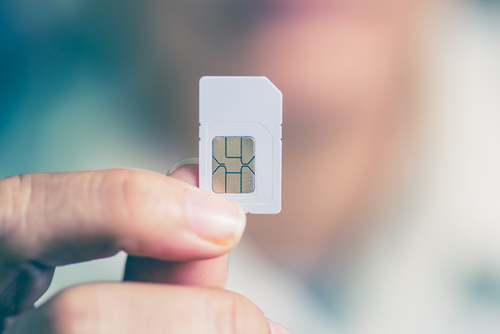
A new report highlights just how serious SIM swap scams can be, and why T-Mobile customers have good reason to stay alert. In this case, a T-Mobile employee was reportedly contacted by text message and offered money to hand over customer account details that could be used to carry out SIM swaps.
As reported by PhoneArena, the person behind the messages allegedly offered the T-Mobile rep $500 for each SIM swap completed. The request was for customer information tied to email addresses or phone numbers, including mailing addresses and other account details. The employee refused, but the report points out that it only takes one insider saying yes for real damage to be done.
For customers, a SIM swap can be a nightmare. If someone moves your number onto another SIM card, your phone can suddenly lose service while the scammer starts receiving your calls and text messages. That can open the door to password resets, banking access, and other account takeovers, especially when verification codes are sent by text.
This is not the first time T-Mobile employees have reportedly been targeted this way. The report points to a similar case in 2024 in which reps allegedly received texts offering $300 for each SIM swap. It also mentions a T-Mobile customer who said one of the lines on the account was hit by SIM swap attacks twice, and that a T-Mobile Mobile Expert described it as an inside job involving a store rep.
The good news is that T-Mobile customers do have some tools to help protect themselves. According to the report, T-Mobile’s SIM Protection feature can stop a number from being moved to a new SIM card or eSIM inside the T-Mobile network. Customers can turn it on in the T-Life app by going to the Manage tab, opening Security under the gear icon, and switching SIM Protection on.
The report also says customers should use T-Mobile’s one-time Port-Out PIN, which is needed to move a number to another carrier. Even if someone has the account number, they still cannot port the line out without that PIN, and it expires after seven days. Stories like this are a reminder that wireless security is not just about outside hackers. Sometimes the biggest risk is whether someone on the inside is willing to help, which makes the rep who turned this offer down worth recognizing.
Source: PhoneArena