


This weekend, hundreds of thousands of fans will descend on the Bay Area for one of the world’s biggest sporting events. Behind the scenes, T-Mobile is doing something most people never think about: making sure the network doesn’t collapse under the pressure.
The Un-carrier has been preparing for this moment for over a year. They’ve upgraded cell sites and infrastructure across the Bay Area, focusing on stadiums, transportation hubs, and areas where huge crowds gather. The goal is straightforward: keep emergency responders connected and make sure fans can actually use their phones when they need them.
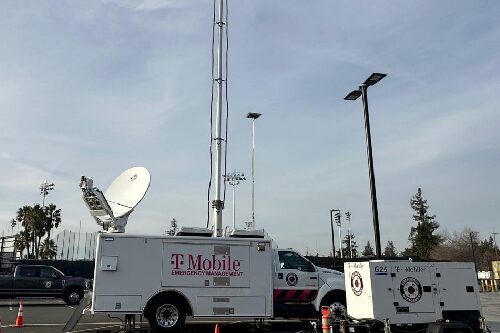
T-Mobile isn’t leaving this to chance. The company has positioned real network engineers on the ground in emergency operations centers across the Bay Area and even inside Levi’s Stadium itself on game day. They’ve also deployed mobile cell sites called SatCOWs (Satellite Cell on Wheels) and SatCOLTs (Satellite Cell on Light Trucks) to provide backup connectivity and extra capacity. Think of it as bringing portable cell towers to where people need them most.
What makes this approach different is the focus on first responders. T-Mobile’s T-Priority system gives police, firefighters, and emergency personnel priority access to the network, ensuring their communications stay fast and reliable even when the network is packed with fans trying to post photos and check their teams’ stats. First responders also get access to satellite-to-mobile technology, which means they can maintain contact even in areas where traditional cell coverage might falter.
The company is also using something called Self-Organizing Network technology, or SON, which sounds complex but basically means the network automatically adjusts itself in real time as demand changes. When thousands of people suddenly arrive at a venue, the network adapts on the fly rather than waiting for technicians to manually make changes.
One particularly interesting addition is drone technology. T-Mobile is working with the San Francisco Police Department to deploy drones that can provide real-time situational awareness. These drones are powered by T-Priority, the same system keeping emergency communications secure and fast.
The good news for the Bay Area beyond this weekend is that these upgrades aren’t temporary. After the last fan leaves the stadium, the infrastructure improvements remain in place, supporting the community for years to come. The same 5G upgrades and network enhancements that help manage game-day crowds will also serve regular residents and businesses in the region.
T-Mobile has used similar approaches at other major events throughout the year, tailoring its strategy based on what each event needs. This Big Game preparation represents the company’s larger philosophy about public safety—being on the ground when it matters most so that emergency responders can focus on their actual jobs rather than worrying about communication systems.