


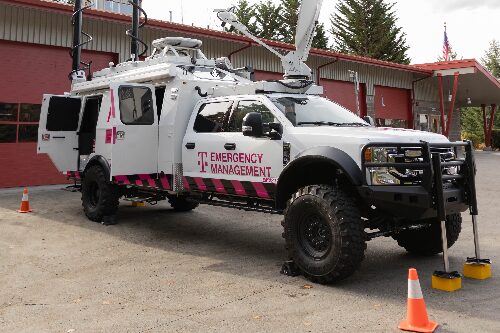
A massive winter storm is barreling toward the Midwest this weekend, and T-Mobile is taking action to make sure you stay connected when conditions get rough. If you live anywhere from South Dakota down to Michigan, this is something worth paying attention to—especially if you rely on your phone to stay in touch with family or get emergency help.
The storm is expected to hit late Saturday and stick around through Monday, bringing over a foot of snow to some areas and wind gusts that could reach 40 to 50 mph or higher. That kind of weather can knock out power and make regular cell service unreliable, which is where T-Mobile’s preparation comes in.
According to T-Mobile’s newsroom, the carrier is positioning crews, generators, and equipment across the affected region ahead of the storm. The company is also staging some pretty impressive tech: satellite-based cell towers (called SatCOLTs) and portable satellite terminals that can kick in if traditional network infrastructure goes down. In plain terms, these are backup systems that let your phone connect even when everything else fails.
But there’s more to the story. T-Mobile is using artificial intelligence to monitor network performance in real time, automatically adjusting how the system works to keep speeds stable and connections strong. The company is also coordinating with federal and state emergency agencies, so first responders can get the help they need.
On the consumer side, T-Mobile is positioning charging stations and Wi-Fi connectivity trucks that can be deployed to communities once the weather clears enough. If you’re a T-Mobile customer in the storm’s path, here are some practical things you can do right now: save important phone numbers before the storm hits, charge your devices fully, and keep a portable battery charger nearby just in case.
T-Mobile also mentioned a couple of features worth knowing about. T-Satellite, which works on compatible newer phones, can keep you connected even if cellular service goes down. And there’s a text-to-911 service available on compatible devices that uses satellite connection if your regular cellular service is unavailable. You can also enable Wireless Emergency Alerts to get critical updates on your phone.
The bottom line: if you’re in the affected area, T-Mobile wants you to know they’re ready. But don’t rely solely on your carrier—charge up before Saturday, keep emergency contacts handy, and follow local weather guidance. And if you can avoid traveling during the worst of it, that’s always the safest bet.